
When Cancer Becomes a Calling: Dr. Nasha Winters on Healing, Metabolic Health, and Hope
Cancer rarely tells its whole story in a single moment. Sometimes, the journey begins years before a diagnosis—with symptoms that go unexplained, warning signs that are overlooked, and a body asking for help long before anyone understands why.
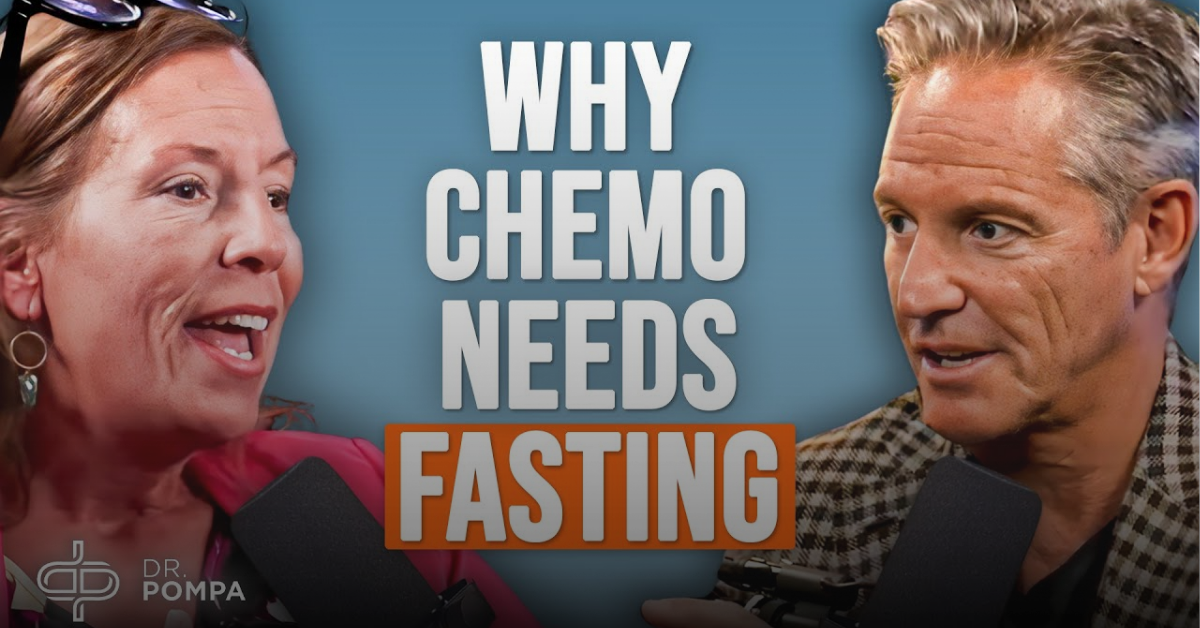
In this episode, Dr. Daniel Pompa sits down with Dr. Nasha Winters, an integrative oncology expert whose own experience with cancer transformed the course of her life and work. Together, they explore her remarkable journey from a devastating diagnosis at age 19 to a lifelong mission of helping others understand cancer, metabolic health, and the many factors that influence our well-being.
Their conversation is about more than cancer. It is about learning to listen to the body, looking beyond isolated symptoms, asking better questions, and finding hope even in the most difficult circumstances.
A Health Journey That Began Long Before the Diagnosis
For Dr. Nasha Winters, health challenges began in childhood.
She recalls struggling with digestive issues and allergies from an early age. By nine, she had begun menstruating. In the years that followed, she was diagnosed with endometriosis, polycystic ovary syndrome, cervical dysplasia, juvenile rheumatoid arthritis, thyroid dysfunction, and irritable bowel syndrome.
Despite these challenges, she appeared healthy to the outside world. She was active, academically accomplished, and involved in school leadership. Yet behind that appearance, she was navigating a growing list of symptoms and medical diagnoses.
Looking back, she describes a pattern in which illness became so familiar that it was difficult to recognize just how much was wrong.
Her story raises an important question: What happens when we become so accustomed to feeling unwell that we begin to accept it as normal?
A symptom may be common, but that does not automatically make it healthy or insignificant. Persistent symptoms deserve thoughtful attention, careful evaluation, and a willingness to look at the bigger picture.
The Turning Point: When Someone Finally Listened
Before her sophomore year of college, Dr. Winters knew something was seriously wrong. She repeatedly sought medical attention, but her symptoms continued to be treated as familiar conditions.
Then, one day, her roommate found her unconscious and rushed her to the emergency room.
A visiting emergency physician recognized that her condition was far more serious than previously understood. Further examinations and imaging revealed advanced cancer, a large ovarian tumor, extensive disease, and severe complications affecting multiple organs.
At just 19 years old, Dr. Winters was facing a life-threatening diagnosis.
The experience changed everything.
One of the most powerful themes in her conversation with Dr. Pompa is the importance of listening—not only to test results, but also to the person sitting in front of you.
Patients often know when something has changed in their bodies. While symptoms can have many possible explanations, persistent or worsening concerns should not be dismissed simply because they resemble a previous diagnosis.
Good healthcare requires more than treating a list of symptoms. It requires curiosity, careful investigation, and a willingness to reconsider an explanation when the evidence no longer fits.
From Personal Crisis to a Purpose-Driven Life
A cancer diagnosis at 19 forced Dr. Winters to confront questions no young person expects to face. But her experience also became the foundation of the work she would eventually dedicate her life to.
Rather than viewing cancer only through the lens of a single disease, she became interested in the broader context of health: the body's metabolic processes, environmental exposures, nutritional status, stress, and the interconnected systems that influence how we function.
This perspective helped shape her approach to integrative oncology, which explores how supportive strategies may be considered alongside conventional cancer care.
Her journey is a reminder that a difficult experience can change the direction of a person's life. It does not erase the hardship or make the experience easy, but it can create a deeper sense of purpose and a desire to help others facing similar challenges.
For Dr. Winters, that purpose became a commitment to education, research, and helping patients and practitioners ask more informed questions about cancer care.
Looking Beyond the Tumor: The Role of Metabolic Health
One of the central themes of the discussion is metabolic health.
Dr. Winters explains why she believes it is important to consider the body's broader metabolic environment when evaluating health and supporting people with cancer. Their conversation touches on energy production, blood sugar regulation, mitochondrial function, inflammation, and the complex ways cells use nutrients.
Cancer is not a single disease with one universal cause or treatment. Different cancers have different biological characteristics, and their behavior can vary considerably from one person to another.
Research into cancer metabolism is helping scientists better understand how cancer cells use energy and interact with their surrounding environment. However, translating these findings into effective treatments requires careful clinical research.
The larger takeaway from the conversation is the value of looking at the whole person—not just one measurement, symptom, or diagnosis.
Understanding the broader picture can help patients and their healthcare teams have more informed discussions about treatment options, supportive care, nutrition, and overall well-being.
Fasting, Nutrition, and the Complexity of Cancer Care
The conversation also explores fasting, ketosis, and the relationship between nutrition and cancer metabolism.
Dr. Pompa and Dr. Winters discuss research into how changes in nutrient availability may influence cellular processes and how metabolic strategies are being investigated alongside cancer treatments.
These are active areas of research, but it is important to distinguish promising scientific questions from established clinical recommendations.
Fasting is not appropriate for everyone, particularly people who are dealing with cancer-related weight loss, muscle wasting, malnutrition, or the demands of intensive treatment. Prolonged fasting may create additional risks, and it should never be assumed to improve cancer outcomes for every patient.
Anyone considering fasting, a ketogenic diet, supplements, or other complementary approaches during cancer treatment should discuss them with their oncologist and, when appropriate, an oncology dietitian. These strategies should not replace proven cancer treatments.
The broader lesson is that personalized care matters. An approach that may be appropriate for one person could be unsuitable for another. Treatment decisions need to account for the type and stage of cancer, the individual's overall condition, and the evidence supporting the intervention.
Complementary Therapies Require Both Curiosity and Caution
Dr. Pompa and Dr. Winters also discuss complementary approaches, including intravenous vitamin C and amygdalin, sometimes marketed as vitamin B17 or laetrile.
Their discussion highlights the ongoing interest in therapies that may have a role in particular clinical settings. It also illustrates why every approach deserves careful scrutiny.
Some complementary therapies are being investigated in research settings, but evidence varies widely. A treatment's biological rationale or early research findings do not automatically establish that it is safe or effective for treating cancer in people.
For example, high-dose intravenous vitamin C remains an area of investigation and is not a substitute for standard cancer treatment. Amygdalin and laetrile have not been established as effective cancer treatments and can cause serious cyanide poisoning. Apricot kernels should not be used as a cancer remedy.
The most constructive approach is to remain open to credible research while asking important questions:
- What evidence supports the treatment in humans?
- What are the known risks and possible interactions?
- Is the treatment appropriate for this particular cancer and patient?
- Could it interfere with another therapy or delay effective care?
- Is a qualified medical professional monitoring its use?
Hope and discernment belong together. Patients deserve access to thoughtful conversations about emerging research without being exposed to unsupported promises.
Knowing When to Push—and When to Pause
Another important theme is the balance between intervention and recovery.
Dr. Winters and Dr. Pompa discuss the idea that even a strategy intended to support health can become counterproductive if it places too much stress on the body. They connect this principle to their broader conversations about detoxification, metabolic interventions, and individualized care.
The concept of pacing is relevant well beyond cancer care.
Health is not always improved by doing more, adding more interventions, or pushing harder. Sometimes the more useful step is to reassess, allow recovery, and work with qualified professionals to determine what is appropriate.
For people navigating serious illness, this distinction is especially important. The goal is not to pursue every possible intervention at once, but to make informed decisions that reflect the person's needs, circumstances, and medical guidance.
Finding Hope Through Education and Collaboration
Throughout the episode, Dr. Winters emphasizes the importance of continuing to learn, sharing knowledge, and bringing people together around complex health challenges.
Her work includes education for healthcare professionals and the wider public, research initiatives, and efforts to connect patients with resources and support.
Dr. Pompa closes the conversation by recognizing the impact of her work and the hope that can come from helping people find better questions, informed guidance, and meaningful support.
There is still much to learn about cancer, its many contributing factors, and the treatments that can improve outcomes. Scientific progress depends on rigorous research, honest evaluation of evidence, and collaboration across disciplines.
For patients and families, education can help make difficult conversations more productive. It can also provide a clearer understanding of what is known, what remains uncertain, and which questions to bring to a healthcare team.
A Final Reflection: Listen, Learn, and Keep Hope Alive
Dr. Nasha Winters' story is a powerful reminder that the road to understanding our health is not always straightforward. Sometimes, it takes a life-changing experience to reveal how much we still have to learn.
Her journey encourages us to pay attention to persistent symptoms, ask thoughtful questions, and seek care that takes our concerns seriously. It also reminds us that hope is most meaningful when it is paired with sound information, compassionate support, and informed decisions.
If you or someone you love is navigating cancer, remember that you do not have to make every decision alone. Work with qualified healthcare professionals, ask questions, and take the time to understand the options available to you.
There is always more to learn, and there is value in continuing to seek understanding.