
Pet Cancer Crisis: Why More Dogs Are Getting Sick—and What Every Pet Owner Should Know
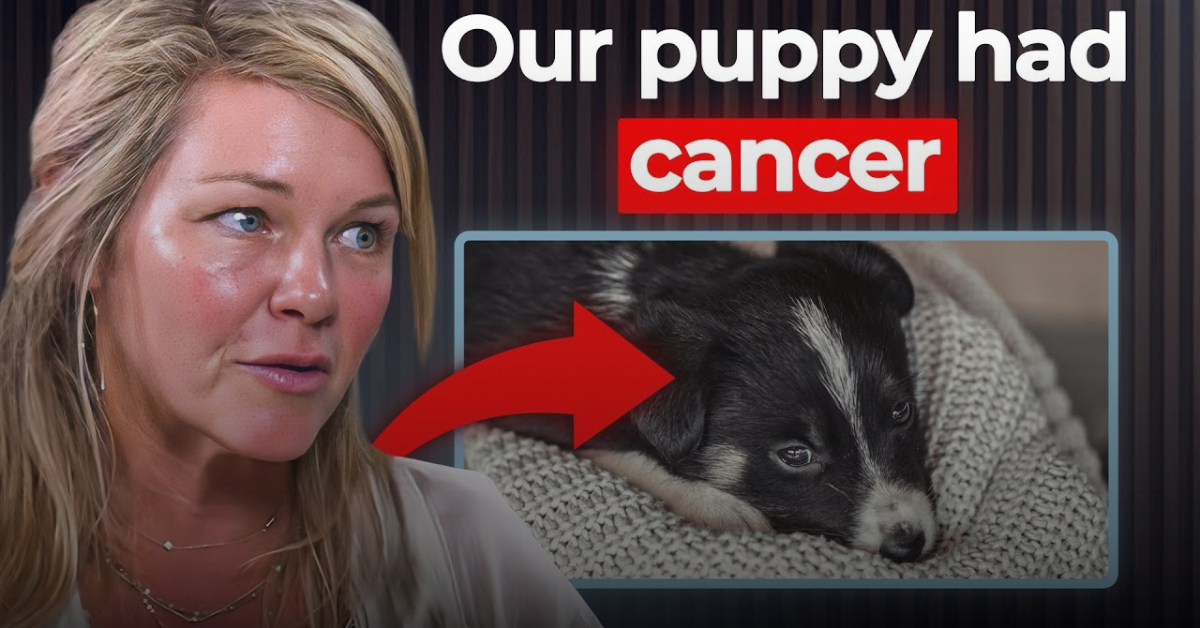
For many pet owners, watching a beloved dog battle cancer or chronic illness feels heartbreakingly common today. It raises an uncomfortable question: Why does it seem like our pets are getting sick younger than ever?
In this conversation, the host sits down with holistic veterinarian Dr. Natalie Lenarz-Blackman to explore what she believes are some of the biggest contributors to declining pet health. Drawing from her experience in emergency medicine and holistic practice, she shares stories from her clinic, discusses modern veterinary care, and encourages pet owners to think critically about prevention rather than simply treating disease.
While many of the topics discussed are controversial and differ from mainstream veterinary recommendations, the interview centers on one core message: healthy pets start with informed owners.
A Troubling Trend: Pets Are Getting Sick Younger
The conversation begins with a concern shared by both host and guest: they believe they're seeing more dogs diagnosed with cancer at younger ages than in previous decades.
Dr. Blackman recalls treating dogs as young as two and three years old with cancer—something she says was once considered rare. She also describes seeing pets suffering from neurological issues, liver problems, and chronic illnesses that she believes have become increasingly common.
For the host, this isn't just a professional discussion. He shares the emotional story of losing two healthy dogs, Frendel and Remy, to hemangiosarcoma within months of each other. Their sudden deaths became the catalyst for questioning many long-held assumptions about pet healthcare.
Has Veterinary Medicine Become Too Protocol-Driven?
One of the interview's central themes is the belief that veterinary medicine has shifted from individualized care toward standardized protocols.
According to Dr. Blackman, years ago most owners visited the veterinarian primarily when their pets became ill. Today, she argues, routine schedules for medications, preventive treatments, and vaccinations have become the norm.
She believes this approach sometimes prioritizes following a schedule over evaluating the unique needs and overall health of each animal.
Rather than rejecting veterinary medicine altogether, she encourages pet owners to have open conversations with their veterinarian, ask questions, and understand why each recommendation is being made.
Questions About Flea, Tick, and Heartworm Medications
A significant portion of the discussion focuses on flea, tick, and heartworm prevention.
Drawing on her years in emergency veterinary medicine, Dr. Blackman recounts seeing dogs with severe reactions—including seizures and other neurological symptoms—which she believes were associated with certain medications.
She also shares stories from veterinary school involving older injectable heartworm products that were later withdrawn and reformulated.
Rather than suggesting that every pet should avoid preventive medications, she repeatedly emphasizes evaluating the risk-versus-benefit based on factors such as:
- Geographic location
- Climate
- Mosquito and parasite exposure
- Lifestyle
- Overall health
Her view is that prevention should be personalized instead of automatic.
Why Gut Health Became the Center of Her Practice
Perhaps the strongest message throughout the interview is the importance of gut health.
Dr. Blackman believes a healthy digestive system supports a strong immune system, allowing dogs to better respond to environmental challenges.
Instead of focusing solely on avoiding germs, parasites, or viruses, she encourages owners to focus on strengthening the dog's overall health.
This philosophy influences nearly every recommendation she makes—from nutrition to preventive care to recovery after illness.
The host summarizes this idea simply:
Rather than constantly fighting the outside world, build a healthier body that can handle it.
This concept becomes the foundation for much of the rest of the conversation.
Why She Recommends a Species-Appropriate Diet
Nutrition receives considerable attention.
Dr. Blackman argues that dogs are carnivores and believes diets should reflect that biology.
She expresses concerns about highly processed kibble, particularly formulas high in starches and carbohydrates, suggesting they may contribute to poor gut health in some dogs.
Instead, she favors raw or minimally processed diets built around whole prey principles, while acknowledging that no single diet fits every dog. She also explains that individual dogs may require different nutritional approaches depending on their specific health needs.
Even when discussing commercial foods, her emphasis remains on choosing higher-protein options with fewer processed ingredients whenever possible.
A Different Perspective on Vaccinations
The interview also explores vaccinations, one of its most controversial topics.
Dr. Blackman advocates for individualized vaccination decisions based on each dog's health, medical history, and antibody testing (titers), rather than automatically following the same schedule for every animal.
She discusses the concept of measuring antibody levels before administering additional vaccines and encourages owners to have informed discussions with their veterinarians.
The host shares his own experiences and research that led him to question standard protocols after losing his dogs.
Throughout this section, both speakers stress that they want owners to educate themselves and ask questions rather than simply accept recommendations without understanding them.
Prevention Instead of Reaction
Toward the end of the interview, the conversation shifts from controversy to philosophy.
Dr. Blackman explains that much of her practice focuses on proactive medicine—helping pets stay healthy rather than waiting until disease appears.
She shares the story of a standard poodle she has cared for since puppyhood. Despite another dog from the same litter dying from cancer, this dog has remained healthy through years of individualized care, nutrition, acupuncture, and regular monitoring.
Whether or not every recommendation will resonate with every pet owner, her broader message is consistent:
Healthy habits established early may have a significant impact on long-term quality of life.
Key Takeaways
According to Dr. Blackman, pet owners should consider:
- Asking questions before starting routine preventive treatments.
- Evaluating risk versus benefit based on their pet's individual circumstances.
- Prioritizing nutrition and gut health.
- Working with a veterinarian willing to discuss different approaches.
- Focusing on long-term wellness instead of only treating illness after it appears.
Final Thoughts
The discussion between the host and Dr. Natalie Lenarz-Blackman challenges many commonly accepted ideas about pet healthcare. Some of their views differ from mainstream veterinary guidance and remain subjects of ongoing debate within the veterinary community.
Regardless of where readers stand on those issues, the conversation serves as a reminder that caring for our pets involves more than following routines. It means staying informed, asking thoughtful questions, and making decisions based on both evidence and the individual needs of the animal in front of us.
After all, every pet owner shares the same goal: helping their companions live healthier, happier, and longer lives.