
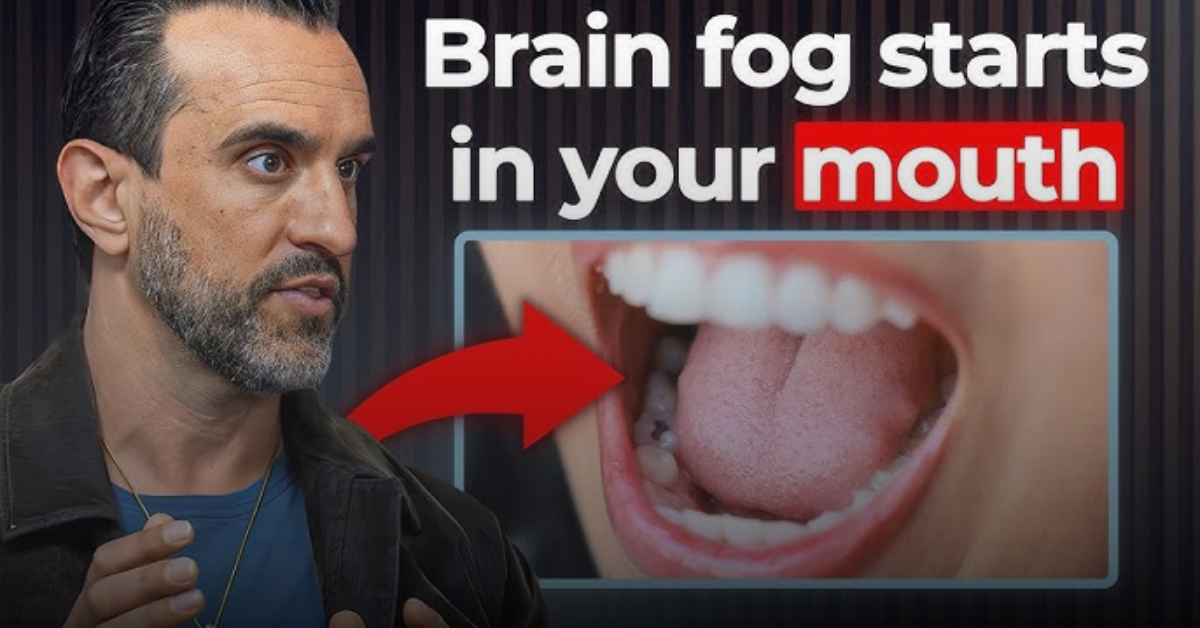
The Mouth-Body Connection: How Hidden Dental Issues May Be Affecting Your Whole Health
Your mouth is more than just where digestion begins—it's deeply connected to the rest of your body. While most people think of dental care as preventing cavities and keeping a bright smile, growing awareness in biological dentistry suggests that what's happening inside your mouth may have a much bigger impact on your overall health than many realize.
In this conversation, Dr. Pompa sits down with biological dentists Dr. Shawn and Dr. Ben to explore why hidden dental infections, mercury fillings, root canals, cavitations, and even nutrient deficiencies deserve a place in every health conversation.
Whether you're struggling with chronic fatigue, autoimmune symptoms, brain fog, or unexplained health issues, understanding the mouth-body connection could help uncover a missing piece of the puzzle.
Why Oral Health Is About More Than Your Teeth
Traditional dentistry often focuses on treating pain, cavities, and damaged teeth. Biological dentistry takes a broader view.
The idea is simple: your mouth isn't isolated from the rest of your body. Every tooth, nerve, blood vessel, and surrounding tissue interacts with your immune system, nervous system, and overall health.
According to the discussion, many people live with hidden oral problems for years without any noticeable dental pain. Yet these issues may continue to place stress on the body every day.
As Dr. Pompa explains, one of the biggest questions worth asking is:
Could your headaches, fatigue, gut issues, anxiety, sleep problems, or other chronic symptoms be connected to your mouth?
The answer, they believe, is often yes.
Hidden Dental Infections Can Go Undetected
One of the biggest misconceptions about oral health is that if nothing hurts, everything must be fine.
The dentists explain that many patients have no pain, swelling, or visible symptoms despite having chronic infections beneath old dental work or in areas where teeth were removed years earlier.
These hidden infections can become long-term sources of inflammation.
Many people spend years searching for answers through specialists, medications, and countless lab tests before anyone evaluates what's happening inside their mouth.
Mercury Fillings: Why the Conversation Continues
One of the major topics discussed was dental amalgam, commonly known as silver fillings.
According to Dr. Shawn and Dr. Ben:
- Traditional amalgam fillings are approximately 50% mercury.
- Mercury vapor may be released during chewing, grinding, or dental drilling.
- Safe removal protocols are essential.
- Improper removal can significantly increase mercury exposure.
The speakers emphasize an important point:
Never rush to remove mercury fillings without proper safety procedures.
Removing them incorrectly may create greater exposure than leaving them in place until they can be safely removed by a dentist trained in biological mercury removal techniques.
Why Biological Dentists Approach Mercury Removal Differently
Removing mercury fillings involves much more than simply drilling them out.
Biological dentists use specialized protocols designed to reduce exposure for both the patient and the dental team. These may include protective barriers, high-volume suction, specialized filtration, oxygen support, and careful removal techniques.
Their goal is not only to remove the filling—but also to minimize the amount of mercury released during the process.
Cavitations: The Hidden Jawbone Infections Most People Never Hear About
One of the most eye-opening parts of the conversation centered around cavitations.
A cavitation is an area inside the jawbone where healing never fully occurred after a tooth extraction, particularly wisdom teeth.
From the outside, everything may appear completely normal.
The gums heal.
The pain disappears.
Life goes on.
Yet beneath the surface, bacteria and damaged tissue may remain trapped inside the bone for years.
According to the dentists, these areas can become long-term sources of inflammation while producing few, if any, obvious symptoms.
Why Cavitations Matter
The discussion highlighted that cavitations may:
- Harbor harmful bacteria
- Contribute to chronic inflammation
- Affect nearby nerves
- Place ongoing stress on the immune system
Because these infections are hidden inside bone, they typically cannot be detected during a routine dental exam.
Why Cone Beam CT Scans Are So Important
A recurring message throughout the discussion was that traditional dental X-rays often miss these hidden problems.
Instead, biological dentists frequently rely on Cone Beam CT (CBCT) scans, which produce detailed three-dimensional images of the jaw.
These scans can reveal:
- Hidden infections
- Cavitations
- Bone loss
- Root canal complications
- Other structural problems invisible on standard X-rays
For patients with persistent chronic health issues, the speakers recommend considering a comprehensive dental evaluation that includes this type of imaging.
Root Canals: An Ongoing Debate
Root canals remain one of the most controversial topics in biological dentistry.
Traditional dentistry views root canals as an effective way to save a damaged tooth.
The biological approach raises additional questions.
Once a tooth loses its blood supply, it becomes a non-living structure. Although the internal canal is cleaned and sealed, countless microscopic tubules inside the tooth remain impossible to fully sterilize.
According to the dentists, these tiny spaces may continue to harbor bacteria capable of producing toxins over time.
Rather than telling patients what decision to make, Dr. Shawn explains that he believes in informed consent.
Patients deserve to understand both the benefits and the potential risks before deciding whether to preserve a tooth or pursue another treatment option.
The Mouth-Body Connection Goes Beyond Infection
The discussion also explored another concept often emphasized in biological dentistry—the neurological connection between teeth and the rest of the body.
The dentists describe how every tooth has relationships with nerves and pathways connected throughout the body.
They shared stories of patients experiencing improvements in long-standing symptoms after treating hidden dental infections.
While individual experiences vary, these stories reinforce their belief that oral health should never be evaluated separately from overall health.
Nutrition Plays a Bigger Role Than Many People Realize
Instead of focusing only on brushing, flossing, and fluoride, the conversation shifted toward nutrition.
The dentists emphasized that healthy teeth are built from the inside out.
Important nutrients mentioned include:
- Vitamin D
- Vitamin K2
- Magnesium
- Zinc
- Other essential minerals that help move calcium into bones and teeth
Rather than relying solely on topical treatments, they encourage supporting the body's natural ability to build and maintain healthy teeth through proper nutrition.
Rethinking Fluoride
The podcast also discussed fluoride and recent changes occurring in some states.
The speakers questioned whether adding fluoride to public water supplies is the best approach, particularly given ongoing discussions about informed consent and emerging research.
They emphasized that good oral health starts with supporting the body's biology rather than depending entirely on external treatments.
Regardless of where someone stands on fluoride, their larger message remains consistent:
Healthy teeth begin with a healthy body.
Why Collaboration Matters
One of the strongest themes throughout the conversation was collaboration.
The dentists believe the future of healthcare lies in practitioners working together rather than in isolation.
They envision medical doctors, functional practitioners, naturopaths, biological dentists, and other healthcare professionals sharing information instead of treating only one piece of the body.
For patients dealing with chronic illness, this team-based approach may help uncover contributing factors that otherwise go unnoticed.
Looking Beyond Symptoms
One powerful idea surfaced repeatedly throughout the discussion:
If someone isn't getting better despite doing “everything right,” it may be time to look upstream.
Rather than simply managing symptoms, ask deeper questions.
- Could hidden dental infections be contributing?
- Is there unresolved inflammation?
- Are there environmental or nutritional factors still affecting healing?
- Has oral health been fully evaluated?
Sometimes the missing piece isn't another supplement or another medication—it may be something that has quietly existed for years without causing pain.
Final Thoughts
Your mouth is not separate from the rest of your body. It's an integral part of your overall health.
This conversation isn't about creating fear around dental work or suggesting that every filling or root canal is harmful. Instead, it's about encouraging curiosity, education, and informed decision-making.
Understanding the mouth-body connection gives patients another lens through which to view their health—especially when chronic symptoms remain unexplained.
The more we recognize that every system in the body works together, the more opportunities we have to identify underlying causes instead of simply treating symptoms.
Sometimes the path toward better health begins with looking somewhere we rarely think to look: inside the mouth.