The Truth About Biohacking: Why More Isn’t Always Better
Biohacking is everywhere right now. From cold plunges and infrared saunas to red-light therapy, peptides, and oxygen treatments, people are constantly searching for new ways to optimize their health, improve their energy, and support longevity.
But in the pursuit of better health, it’s easy to fall into the trap of thinking that more is always better.
In this week’s episode, Dr. Pompa explores the science behind a concept called hormesis and explains why the body’s ability to adapt to stress may be one of the most important factors to consider when choosing a wellness practice. He discusses the potential benefits of popular biohacks, the risks of pushing too hard, and the importance of learning to recognize what your body actually needs.
The message is simple: The goal isn’t to do more. It’s to find the right balance between stress, adaptation, and recovery.
Understanding Hormesis: How Stress Can Help the Body Adapt
Hormesis is the idea that a biological system can benefit from a manageable stressor when it successfully adapts to that challenge. In the right circumstances, a temporary stress can encourage the body to respond and become more resilient.
Exercise is a familiar example. When you lift weights, run, or engage in another physical activity, you place stress on your body. With appropriate recovery, your body can adapt, allowing you to become stronger and improve your fitness over time.
But the stress itself isn’t the whole story. The benefits depend on how well your body responds to it.
If the challenge is too small, you may not stimulate much improvement. If it’s too intense or recovery is insufficient, you may struggle to adapt. Instead of progressing, you might experience fatigue, declining performance, disrupted sleep, or recurring injuries.
This is why effective training involves more than constantly pushing harder. It requires adjusting intensity, allowing recovery, and paying attention to how the body responds.
The same principle can help us think more carefully about biohacking.
Cold Plunges: When a Little May Be Enough
Cold plunges have become a popular wellness practice, often promoted for their ability to increase alertness and create a powerful sense of well-being. But Dr. Pompa cautions against assuming that everyone needs the same water temperature or exposure time.
A cold plunge is a physical stressor. How you respond may depend on your current health, recovery, sleep, and the other demands already placed on your body.
In the episode, Dr. Pompa shares an experience from a trip to Nashville. Although he typically preferred shorter cold exposures, he pushed himself to remain in a cold bath for five minutes after seeing his son do the same. He felt good immediately afterward, but became sick the following day.
He believes the additional stress contributed to his experience, particularly because he had been traveling and wasn't sleeping well. His story illustrates an important distinction: feeling energized immediately after a wellness practice doesn't necessarily tell you how your body will respond later.
The episode also challenges the idea that longer exposure is automatically more effective. Rather than copying an influencer's routine or aiming for an arbitrary number of minutes, Dr. Pompa encourages people to consider their own tolerance and recovery.
The takeaway isn't that cold plunges are inherently bad. It's that your response matters more than someone else's routine.
Pay attention to how you sleep, how your energy holds up throughout the day, and whether you feel recovered afterward. If a practice consistently leaves you exhausted or disrupts your sleep, it's worth reconsidering its intensity and discussing persistent symptoms with a qualified healthcare professional.
Cold exposure can also carry risks, including cold shock and cardiovascular strain, so it isn't appropriate for everyone. People with relevant medical conditions should seek medical guidance before trying it.
Saunas and Heat Exposure: Benefits Require Balance
Heat exposure follows a similar principle. Saunas and other forms of controlled heat may offer benefits, but the experience should be appropriate for the individual.
Dr. Pompa emphasizes that a practice that feels restorative for one person may be overwhelming for another. In the episode, he recalls periods when his own health challenges made even spending time outdoors in cold weather or using a sauna difficult.
For people who are already struggling with fatigue or other health concerns, adding another intense stressor may not be the best starting point.
Instead of assuming that a longer sauna session is better, consider how you feel afterward. Are you recovering comfortably? Is your sleep unaffected? Does your energy remain steady, or do you feel depleted later?
Heat exposure can cause dehydration, dizziness, and overheating. Start conservatively if a healthcare professional determines it is appropriate for you, and leave the sauna if you feel unwell.
The larger lesson is to avoid turning a potentially helpful practice into another demand your body must overcome.
Peptides: Popularity Is Not Proof of Safety
Peptides have also gained attention in the wellness and longevity space. These short chains of amino acids can have a variety of biological functions, and some peptide-based medicines have established medical uses.
However, the term peptides covers a broad range of substances. Their safety, effectiveness, and appropriate uses cannot be determined simply by placing them in the same category.
In the episode, Dr. Pompa expresses concerns about the long-term safety of many peptides and other performance-enhancing compounds, including SARMs. He discusses substances such as BPC-157, TB-500, KPV, and epithalon, which are often promoted for recovery, gut health, immune effects, or longevity.
These comments reflect his perspective in the episode, rather than proof that the named compounds are safe or effective. Evidence varies by substance, and many experimental or commercially marketed peptides lack adequate human clinical data to establish their benefits, long-term risks, or appropriate dosing.
Products sold outside regulated medical channels may also have concerns involving purity, contamination, and inaccurate labeling.
Before considering a peptide, look beyond testimonials and short-term results. Ask what human evidence supports its intended use, what risks are known, and whether the product is approved and appropriately regulated for that use. A qualified healthcare professional can help assess the evidence and discuss safer, established alternatives.
A promising mechanism or an encouraging anecdote is not the same as demonstrated long-term safety.
Red-Light Therapy: More Exposure Doesn't Necessarily Mean Better Results
Red-light therapy is another widely discussed biohack, particularly for skin health, recovery, and cellular function.
Dr. Pompa describes red light as a practice that may have potential benefits while cautioning that its effects depend on how it is used. He raises questions about mitochondrial responses and oxidative stress, noting that the right dose and the individual’s circumstances matter.
The episode also acknowledges differing opinions among people in the wellness space about red-light therapy and its place in a broader approach to health.
Rather than treating these disagreements as proof that the therapy is either universally beneficial or harmful, it's helpful to ask more specific questions: What condition is being addressed? What type of device is being used? What exposure is supported by research? And what outcomes have actually been demonstrated in humans?
Research on photobiomodulation is still developing, and findings depend on factors such as wavelength, dose, treatment area, and intended use. More exposure should not automatically be assumed to produce better results.
As with other wellness practices, follow appropriate device instructions, protect your eyes when required, and seek professional advice if you have a medical condition or are using a treatment for a specific health concern.
Oxygen-Based Therapies: Understanding the Risks and the Evidence
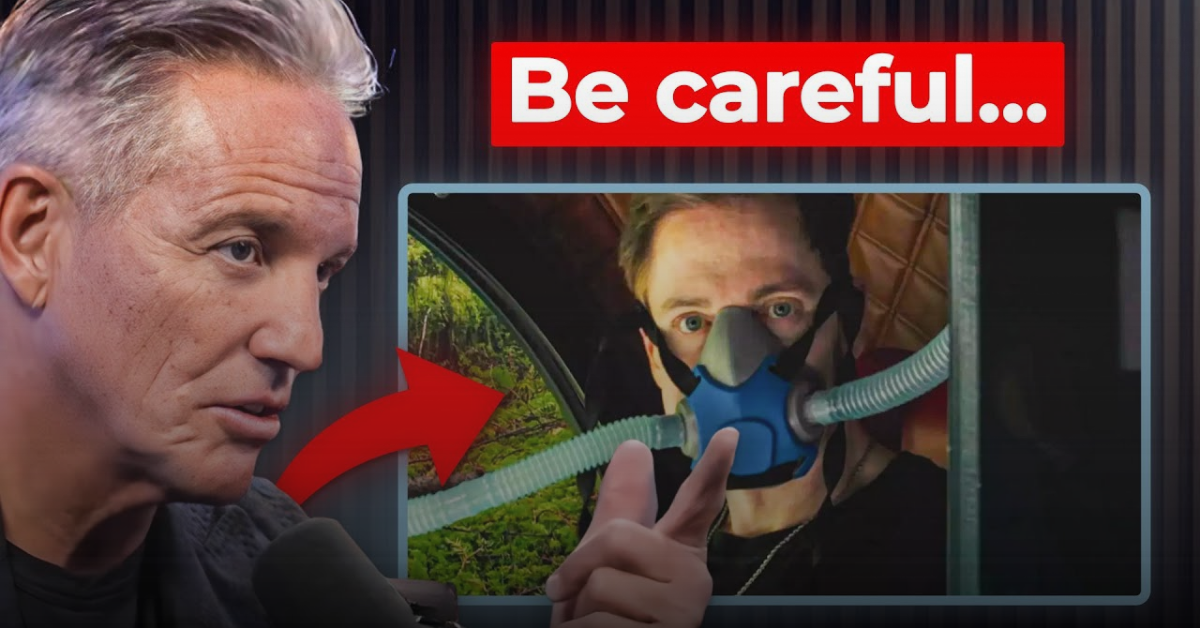
The discussion also turns to oxygen-related treatments, including hyperbaric oxygen therapy and ozone therapy.
These approaches are not interchangeable. Hyperbaric oxygen therapy involves breathing oxygen in a pressurized chamber and has established medical uses for certain conditions. Its risks and benefits depend on the indication and treatment protocol.
Ozone therapy, by contrast, uses ozone gas and has a different safety profile. Claims that it can stimulate healing do not establish that it is safe or effective for a particular condition. Ozone can be harmful, especially when inhaled, and should not be treated as a routine wellness intervention.
In the episode, Dr. Pompa uses these therapies to illustrate the broader concept that a biological response to a stressor does not guarantee a beneficial outcome.
The important distinction is that a proposed mechanism is not proof of clinical benefit. Before considering any oxygen-based intervention, understand the evidence for the specific treatment, the potential risks, and whether it is recommended for your condition by qualified medical professionals.
Hot Yoga and High-Intensity Exercise: When Combining Stressors Becomes Too Much
Hot yoga combines physical activity with a heated environment. For some people, it may be an enjoyable form of movement, but the added heat changes the demands placed on the body.
Dr. Pompa cautions that heat may allow people to stretch farther than they otherwise would, potentially increasing the risk of injury. He also questions whether combining multiple intense practices—such as hot yoga, cold plunges, and other biohacks—is appropriate for someone who is already dealing with significant stress or inadequate recovery.
His discussion extends to high-intensity exercise programs such as CrossFit. Challenging workouts can help build fitness, but rapid increases in intensity without appropriate conditioning and recovery can contribute to overuse injuries.
The issue isn't whether a particular exercise program is universally good or bad. It's whether the intensity, frequency, and recovery demands are appropriate for the person doing it.
A workout that once felt manageable may become too demanding when sleep deteriorates, work becomes more stressful, or other aspects of life change. Recurring aches, declining performance, unusual fatigue, and difficulty recovering are reasons to reassess the training load rather than automatically push harder.
Progress is not simply about how much stress you can tolerate today. It's also about whether you can recover and continue progressing over time.
How to Recognize When Your Body Needs More Recovery
One of the most practical messages in this episode is the importance of paying attention to patterns rather than judging a wellness practice by how you feel in the moment.
A cold plunge may leave you feeling energized. A sauna session may feel relaxing. A workout may give you a temporary sense of accomplishment. But those immediate sensations don't tell the whole story.
Consider the bigger picture:
- Sleep: Are you sleeping well after the practice, or does your sleep become disrupted?
- Energy: Do you feel consistently energized, or do you experience a noticeable crash later?
- Performance: Are you gradually improving, or are familiar activities becoming unusually difficult?
- Recovery: Are soreness and fatigue resolving, or are they lingering?
- Injuries: Are recurring aches or minor injuries becoming more frequent?
- Overall well-being: Does the practice fit comfortably into your life, or does it leave you feeling depleted?
Wearable devices may provide additional information about resting heart rate, heart-rate variability, and sleep patterns. However, these measurements are estimates, and no single metric can reliably determine whether a practice is right for you. Trends over time, how you feel, and relevant medical context all matter.
If a practice consistently leaves you feeling worse, consider reducing the intensity or frequency, pausing it, or seeking professional guidance. Persistent or severe symptoms deserve medical evaluation rather than simply being interpreted as signs that your body needs to adapt.
The Foundation of Wellness Is Still Recovery
Biohacking can be appealing because it offers something tangible to do in pursuit of better health. There is a new device to try, a more intense protocol to follow, or another intervention promising to optimize the body.
But it is easy to overlook the fundamentals while chasing the next breakthrough.
Sleep, balanced nutrition, regular movement, and adequate recovery remain important foundations of health. Managing everyday stress and choosing activities that are appropriate for your current fitness and health status also matter.
These foundations help support your ability to tolerate physical demands and recover from them. They also provide a more useful starting point than stacking multiple intense interventions on top of an already demanding lifestyle.
The goal is not to see how much stress you can endure. It's to build sustainable habits that support your well-being over time.
Final Thoughts: Let Your Health Journey Be Personal
The world of biohacking encourages experimentation, and curiosity can be valuable. But a popular routine is not automatically the right routine for you.
The central lesson of this episode is to think carefully about the relationship between stress, adaptation, and recovery. Cold plunges, heat exposure, exercise, light-based therapies, and other interventions vary in their evidence and risks. None should be assumed to work for everyone simply because they are popular.
Start with the evidence. Understand the risks. Avoid copying someone else's intensity without considering your own circumstances. And remember that feeling good immediately after a practice does not necessarily mean it is helping you in the long term.
Sometimes, the most meaningful step toward better health isn't adding another intervention. It's slowing down, paying attention, and recognizing when your body needs a little less.
Because better health isn't about doing everything. It's about making thoughtful choices that support your ability to thrive over time.