
Microplastics and Your Health: Simple Ways to Reduce Everyday Plastic Exposure
Have you ever wondered why you struggle with brain fog, low energy, or weight loss resistance even when you feel like you have tried everything?
There are many factors that can influence how we feel, and one area receiving increasing attention is our everyday exposure to plastics and the chemicals associated with them.
Plastic is everywhere. It is in food packaging, water bottles, storage containers, cosmetics, and many of the products we use without a second thought. Completely avoiding it may not be realistic, but we can become more intentional about how we use it.
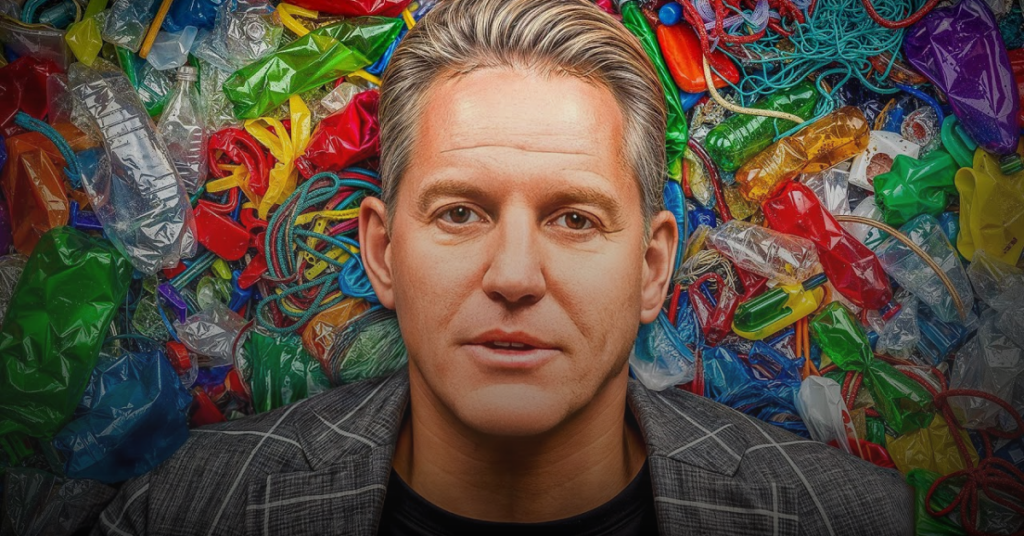
In this episode, Dr. Daniel Pompa shares practical ways to reduce everyday plastic exposure, starting with some of the simplest changes we can make at home. His message is straightforward: you do not have to change everything overnight. Start by addressing the exposures you can control.
Why Plastic Exposure Deserves Our Attention
Plastic is more than a problem for the environment. Researchers are also investigating how microplastics, nanoplastics, and certain chemicals used in plastics may affect human health.
Some chemicals associated with plastics, including certain phthalates and bisphenols, can interfere with the body's endocrine system. This system helps regulate hormones involved in metabolism, reproduction, growth, and other essential functions.
Microplastics have also been detected in human tissues, prompting further research into how these particles enter the body and what their long-term effects may be.
For Dr. Pompa, this raises an important question: what everyday exposures can we reduce to support our overall well-being?
Brain fog, fatigue, anxiety, and hormone-related symptoms can have many possible causes. Plastic exposure should not automatically be assumed to be the explanation. However, understanding where exposure may occur can help us make more informed choices about the products we use.
Why “BPA-Free” Does Not Tell the Whole Story
Have you noticed how many food containers and packaged products advertise themselves as BPA-free?
BPA, or bisphenol A, is a chemical used in the manufacture of certain plastics and resins. It has received attention because of its potential to affect hormone signaling.
However, Dr. Pompa points out that choosing a product labeled BPA-free does not necessarily mean it is free from every chemical of concern.
Some products may use alternative chemicals, and researchers continue to study the safety of various plastic additives and their potential effects on the endocrine system.
The takeaway is simple: rather than relying on a single label, consider the material your food and drinks come into contact with, particularly when heat is involved.
The First Rule: Be Careful With Hot Food and Plastic
One of the easiest places to begin is in your kitchen.
Dr. Pompa recommends avoiding contact between plastic and hot, fatty, or acidic foods. Heat and the characteristics of certain foods can influence the migration of some chemicals from food-contact materials, depending on the material and conditions.
Here are a few practical changes to consider.
1. Store Leftovers in Glass Containers
Instead of putting hot leftovers directly into plastic containers, allow food to cool appropriately and transfer it to glass storage containers.
Glass is a useful alternative for storing many foods, and it can reduce the need for direct contact between food and plastic.
Pay particular attention to foods such as tomato sauce, oily meals, and other dishes that may be hot, fatty, or acidic.
2. Be Mindful of Plastic Wrap
Plastic wrap can come into direct contact with food, especially when covering leftovers.
When possible, use a glass container with a lid instead. If you use plastic wrap, follow the product's instructions for food contact and heating, and avoid using it in ways the manufacturer does not recommend.
3. Choose Suitable Containers for the Food You Store
Not every use of plastic presents the same level of exposure. The material, the type of food, the temperature, and the duration of contact all matter.
Rather than feeling that every plastic item must be discarded immediately, start with the items most likely to come into contact with hot food or drinks.
Small, consistent changes can make your routine more intentional without making everyday life unnecessarily complicated.
Rethink Your Water Bottle
Another practical place to start is the water you drink.
Plastic bottles are convenient, especially when traveling, working, or spending time outdoors. However, studies have detected microplastics in bottled water, and researchers are continuing to investigate how particle levels vary across products and what those findings mean for human health.
Dr. Pompa shares how he made a personal decision to stop relying on plastic water bottles and instead carry his own reusable container.
You can consider a similar approach.
- Carry a reusable bottle. Stainless steel is a durable option, while glass can be useful when its weight and fragility are manageable.
- Keep a bottle with you when traveling. Planning ahead can make it easier to avoid reaching for a disposable bottle out of convenience.
- Consider your water filtration needs. If you are thinking about installing a filtration system, choose one suited to the contaminants in your water supply and maintain it according to the manufacturer's instructions.
No single bottle or filtration system guarantees that water is free of every contaminant. The goal is to make thoughtful choices based on your needs, water source, and available options.
Look Beyond the Kitchen: Personal Care and Cosmetics
Plastic exposure is not limited to food packaging and drinking water. Cosmetics and personal care products can also contain a range of ingredients that deserve attention.
Dr. Pompa encourages people to look more closely at the products they apply to their skin, including makeup.
Some cosmetics contain ingredients that have raised questions about potential health effects, including certain preservatives, fragrance components, and other chemicals. The risks vary by ingredient, concentration, and pattern of use, so it is important not to assume that every conventional product is harmful or that every product marketed as natural is automatically safer.
Instead, make informed choices.
Read ingredient lists, pay attention to products you use frequently, and consider whether there are alternatives that better align with your preferences. If changing your entire routine feels overwhelming, replace products gradually as needed.
You do not have to overhaul everything at once.
The “Stress Bucket”: Understanding Your Total Exposure
Dr. Pompa uses the image of a bucket to explain how different stressors can accumulate over time.
Imagine a bucket slowly filling with water. Each drop represents something that places a demand on the body. In this analogy, those demands may include environmental exposures, everyday stress, poor sleep, and other challenges.
Eventually, the bucket reaches its limit and begins to overflow.
Dr. Pompa uses this picture to describe how symptoms may emerge when the body is dealing with multiple burdens at once. He believes reducing environmental exposures is an important part of supporting health.
The bucket is a helpful way to think about the many factors that can influence how we feel, but it is a metaphor rather than a diagnostic model. Symptoms such as fatigue, brain fog, sleep difficulties, and changes in weight can have numerous causes and deserve appropriate evaluation when persistent.
Still, the underlying reflection is valuable: What are some of the demands in your daily environment that you can reasonably reduce?
You may not be able to control every exposure, but you can start with the choices available to you.
Start Small: Three Changes You Can Make Today
When you begin learning about environmental exposures, it is easy to feel overwhelmed. Plastic is so common that trying to eliminate it completely can seem impossible.
Instead of focusing on everything you cannot change, begin with a few manageable steps.
1. Change How You Store Food
Use glass or other suitable alternatives for hot leftovers and foods that would otherwise remain in direct contact with plastic.
2. Carry a Reusable Water Bottle
Choose glass or stainless steel when practical, and make carrying your own bottle part of your daily routine.
3. Review the Products You Use Most Often
Look at your frequently used food containers, personal care products, and other items. Learn about the materials and ingredients involved, then make gradual changes based on credible information and your circumstances.
These steps are not a guarantee against illness, nor do they replace a balanced diet, good sleep, appropriate medical care, or other foundations of health. They are practical ways to become more intentional about everyday exposures.
Small Choices Can Create Meaningful Change
Dr. Pompa's central message is that reducing plastic exposure does not have to begin with an overwhelming lifestyle transformation.
You can start with your water bottle. You can change how you store leftovers. You can become more mindful of the products you bring into your home.
Researchers are still working to understand the long-term health implications of microplastics and many plastic-associated chemicals. We should take those questions seriously while recognizing what science has and has not established.
If you are experiencing brain fog, persistent fatigue, hormone-related symptoms, or difficulty managing your weight, do not assume plastic exposure is the sole cause. Work with a qualified healthcare professional to explore the possible explanations.
At the same time, remember that meaningful progress often begins with small, deliberate decisions. You do not need to control everything to make a positive change. Start with what is within your reach, build from there, and keep moving toward a healthier everyday environment.