
Why Fasting May Be the Missing Piece in Your Health Journey
Fasting has been practiced for centuries across cultures and religions, yet modern science is only beginning to uncover why it has remained such a powerful health practice. While many people associate fasting with weight loss, its potential benefits extend far beyond the number on the scale.
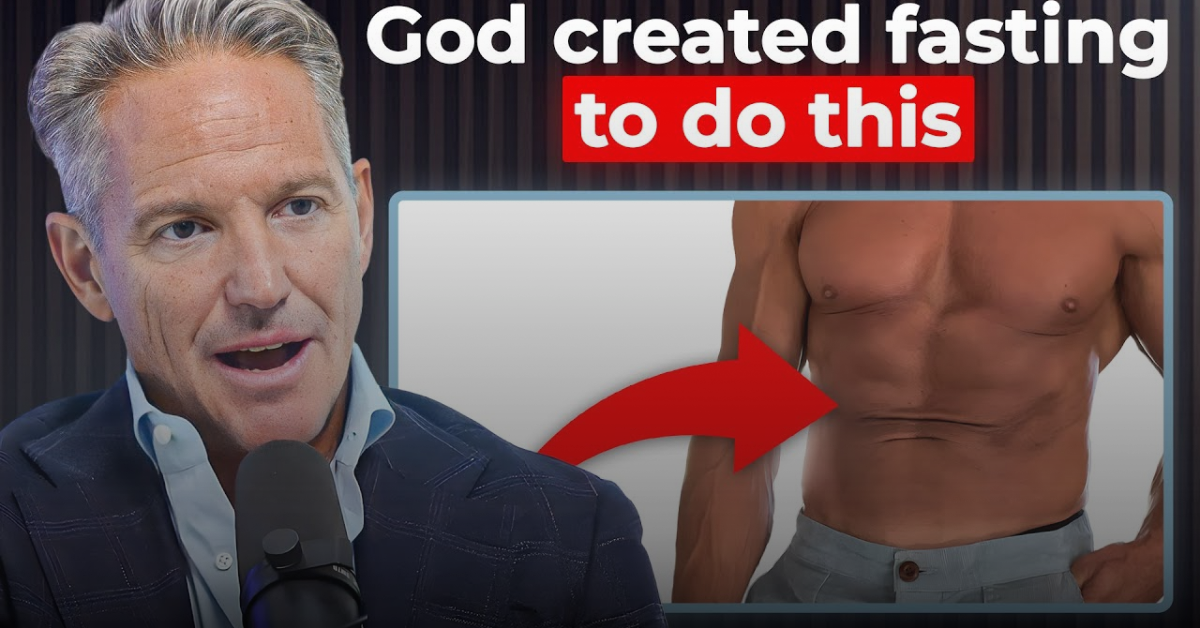
In this conversation, Dr. Pompa explains why fasting may be one of the most effective ways to support the body's natural healing processes. From promoting cellular renewal and metabolic health to improving hormone sensitivity and gut function, he argues that fasting works by giving the body an opportunity to do what it was designed to do—repair itself.
More importantly, he emphasizes that fasting isn't about deprivation. It's about creating the right conditions for the body to restore balance.
The Body Knows How to Heal
At the heart of Dr. Pompa's philosophy is a simple belief: the body is designed to heal when obstacles are removed.
Rather than forcing the body to function through medications or constant interventions, fasting allows the body's built-in repair mechanisms to take over. One of the key processes behind this is autophagy, a natural cellular cleanup process where the body removes damaged or dysfunctional cells and recycles them for energy.
According to Dr. Pompa, this process supports healthier aging by clearing out cells that contribute to inflammation, chronic disease, and age-related decline. As old cells are removed, the body also stimulates stem cells to help generate new, healthy ones.
This is one reason he believes fasting should be viewed as a foundational wellness practice rather than simply another diet trend.
Why Fasting Is Different From Calorie Restriction
Many people assume fasting is simply another form of eating less.
Dr. Pompa explains that there is an important distinction.
Long-term calorie restriction often causes the body to lower its metabolic rate, making weight loss more difficult over time while increasing the likelihood of losing muscle mass.
Fasting, when done appropriately, creates temporary periods without food that encourage the body to burn stored fat while preserving lean muscle through increased growth hormone production and improved hormone sensitivity.
Instead of slowing metabolism, properly structured fasting encourages the body to become metabolically flexible—switching efficiently between burning glucose and burning stored fat for energy.
The Health Benefits Go Beyond Weight Loss
While losing body fat is often what attracts people to fasting, Dr. Pompa believes the greatest benefits occur beneath the surface.
Throughout the discussion, he highlights several potential advantages associated with fasting, including:
Supporting Cellular Renewal
Autophagy helps the body clear away damaged or aging cells that may contribute to inflammation and chronic disease while encouraging the production of healthier replacement cells.
Improving Hormone Sensitivity
Rather than focusing only on hormone levels, fasting may help cells become more responsive to hormones, supporting better metabolic function and overall hormone balance.
Resetting the Gut
Fasting allows the digestive system to rest while promoting changes in the gut microbiome. Dr. Pompa discusses research suggesting fasting may increase microbial diversity, an important factor for digestive and immune health.
Supporting Brain Health
During fasting, ketone production increases as the body shifts away from relying solely on glucose. These ketones provide an alternative fuel source that may support cognitive function and neurological health.
Promoting Healthy Aging
By reducing inflammation, encouraging cellular repair, and activating longevity-related biological pathways, fasting is presented as a strategy for maintaining health as we age.
Personal Stories That Shaped His Perspective
Throughout the episode, Dr. Pompa shares several deeply personal experiences that strengthened his belief in fasting.
One story involves his wife, who was diagnosed with cervical dysplasia. After studying fasting extensively, he encouraged her to complete an extended fast before pursuing additional interventions. According to Dr. Pompa, follow-up testing showed significant improvement, and she has remained healthy since.
He also recalls a serious accident involving his son, who suffered severe injuries after jumping from a cliff into shallow water. While awaiting further medical decisions, his son underwent several days without food. Dr. Pompa believes fasting helped reduce inflammation and supported his recovery alongside medical care, allowing him to recover beyond expectations.
He is careful not to suggest that fasting is a cure for every condition. Instead, these stories illustrate why he believes the body possesses remarkable healing potential when supported appropriately.
Common Misconceptions About Fasting
One of the biggest myths Dr. Pompa addresses is the belief that fasting is the same as starvation.
He explains that starvation occurs when the body has exhausted its available energy reserves, while fasting is a voluntary period without food during which the body adapts by using stored energy.
Another misconception is that everyone should follow the same fasting schedule.
According to Dr. Pompa, fasting is a form of stress. Like exercise, the goal is to apply enough stress for the body to adapt—not so much that it becomes overwhelmed.
This is especially important for individuals with thyroid concerns, adrenal issues, or other metabolic challenges, who may benefit from shorter fasting windows and a more gradual approach.
Finding the Right Type of Fast
Rather than promoting a one-size-fits-all method, Dr. Pompa discusses several approaches.
Intermittent Fasting
For most people, intermittent fasting is the easiest place to begin.
Extending the overnight fasting window by delaying breakfast or finishing dinner earlier allows the body to experience periods without constant digestion while remaining sustainable for daily life.
Partial Fasting
For beginners or individuals with hormone challenges, partial fasting provides reduced calories and protein without requiring a complete water-only fast.
Extended Fasting
Longer fasts lasting several days are described as an opportunity to maximize autophagy and deeper cellular renewal. However, Dr. Pompa recommends working toward this gradually rather than attempting extended fasts without preparation.
Three Mistakes That Can Limit Results
According to Dr. Pompa, many people unknowingly reduce the effectiveness of fasting by making a few common mistakes.
Copying Someone Else's Plan
Every person's metabolism, health history, and stress tolerance are different. A fasting schedule that works well for one person may not be appropriate for someone else.
Fasting Too Often
More isn't always better.
Without regular periods of adequate nourishment, the body may eventually interpret prolonged restriction as chronic stress. Dr. Pompa recommends balancing fasting with intentional “feast days” that include sufficient calories and healthy nutrients.
Breaking a Fast Too Quickly
After an extended fast, digestive enzymes and gut bacteria require time to recover.
Instead of immediately eating large meals, Dr. Pompa recommends gradually reintroducing food with lighter options such as soups, cooked vegetables, healthy fats, and fermented foods before returning to a normal eating pattern.
Fasting Should Support a Healthy Lifestyle—Not Replace It
One of the most practical messages throughout the discussion is that fasting works best alongside healthy habits.
During eating windows, food quality still matters.
Choosing whole, nutrient-dense foods supports the benefits of fasting, while relying on highly processed meals can work against many of the body's healing processes.
He also encourages people to pay attention to their body's feedback. Energy levels, sleep quality, muscle maintenance, and overall well-being provide important clues about whether a fasting routine is appropriate or needs adjustment.
Final Thoughts
Dr. Pompa's message is ultimately one of simplicity. Rather than constantly searching for the next supplement, diet, or health trend, he encourages people to embrace one of the oldest healing practices known to humanity.
Fasting isn't presented as a miracle cure or a replacement for medical care. Instead, it is described as a powerful tool that may help activate the body's natural ability to repair, restore, and adapt.
Whether someone begins with a simple overnight fast or gradually works toward longer fasting periods, the goal remains the same: create space for the body to do what it was designed to do.
When approached thoughtfully and tailored to individual needs, fasting may become more than a strategy for weight loss—it can become a lifelong practice for supporting resilience, metabolic health, and healthy aging.