When Implants Make You Sick, Exploring Causes, Symptoms, and Recovery Pathways W Dr. Landon Pryor
Introduction
For many women, breast implants represent confidence, restoration, and a greater sense of self.
But for a growing number of women, unexplained symptoms such as fatigue, brain fog, anxiety, chronic pain, weight gain, autoimmune issues, and hormone dysfunction have led them to ask a difficult question:
Could my breast implants be making me sick?
This condition has become known as Breast Implant Illness (BII), and while debate continues in some medical circles, awareness is rapidly increasing as more women share their stories and more physicians begin examining the evidence.
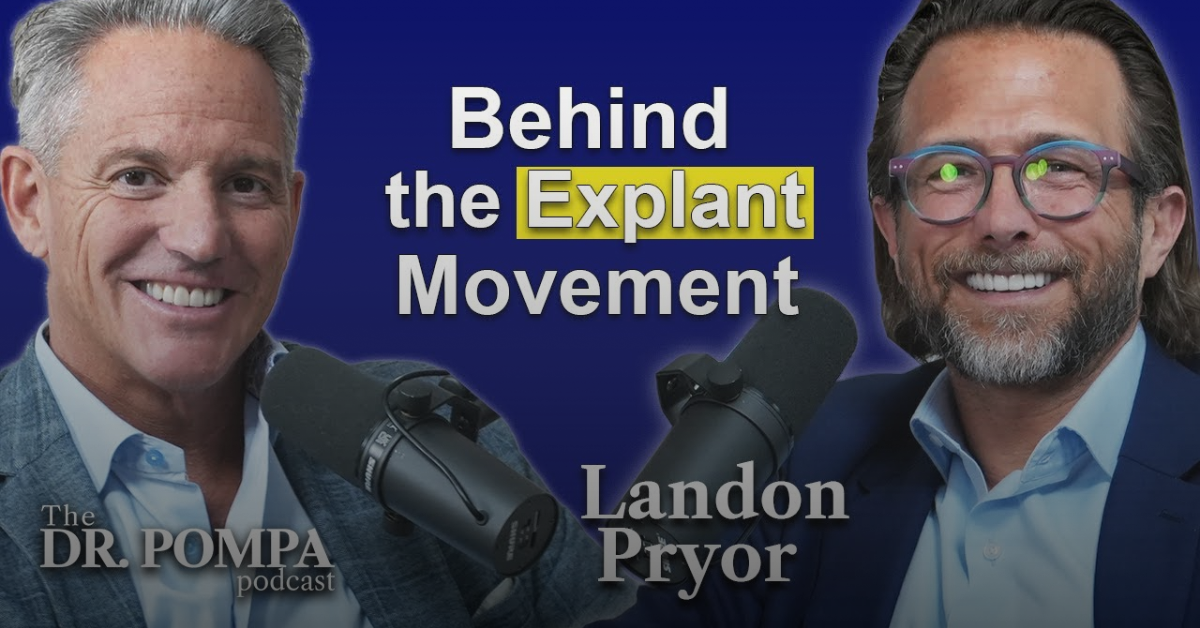
One of those physicians is Dr. Landon Pryor, a board-certified plastic surgeon who spent years performing breast augmentation surgeries before dedicating much of his practice to helping women recover from Breast Implant Illness through explant surgery and full-body healing approaches.
What Is Breast Implant Illness?
Breast Implant Illness is a term used to describe a wide range of symptoms that some women develop after receiving breast implants.
Common symptoms include:
- Brain fog
- Chronic fatigue
- Sleep disturbances
- Anxiety
- Joint and muscle pain
- Weight gain
- Digestive issues
- Dry eyes
- Hormonal imbalances
- Neurological symptoms
- Autoimmune conditions
- Chronic inflammation
What makes BII particularly challenging is that symptoms often develop gradually and can mimic many other health conditions. As a result, women frequently spend years searching for answers while receiving diagnoses that fail to address the underlying cause.
The Hidden Struggle Many Women Face
According to Dr. Pryor, many women arrive at his office after years—sometimes decades—of unexplained health problems.
They've often visited:
- Primary care physicians
- Neurologists
- Endocrinologists
- Rheumatologists
- Functional medicine practitioners
Despite extensive testing, many are told:
- “Everything looks normal.”
- “You're just stressed.”
- “It's menopause.”
- “It's chronic fatigue syndrome.”
- “It's anxiety.”
Meanwhile, their symptoms continue to worsen.
For many women, learning that breast implants may be contributing to their symptoms is both a relief and an emotional challenge.
From Plastic Surgeon to BII Advocate
Dr. Pryor's perspective changed after witnessing something he could not ignore.
A patient underwent proper implant removal and capsule removal surgery. Following the procedure, her symptoms dramatically improved.
Then it happened again.
And again.
Over time, he saw a consistent pattern: women suffering from unexplained symptoms often experienced significant improvement after their implants were removed.
These outcomes motivated him to dive deeply into the available research, historical data, and patient experiences surrounding Breast Implant Illness.
The more he learned, the harder it became to dismiss what patients were experiencing.
Eventually, he made a major professional decision:
He stopped performing breast augmentation procedures and shifted his focus toward helping women recover from BII.
Why Do Some Women Get Sick While Others Don't?
One of the most common questions surrounding Breast Implant Illness is:
If implants are the problem, why doesn't everyone with implants become sick?
Dr. Pryor explains that no two people are biologically identical.
Factors that may influence susceptibility include:
- Genetics
- Immune system function
- Toxic burden
- Environmental exposures
- Chronic stress
- Previous infections
- Mold exposure
- Heavy metal exposure
- Microbiome health
- Autoimmune predispositions
Rather than a single cause, illness often develops when multiple stressors accumulate over time until the body can no longer compensate.
The “Perfect Storm” Concept
Interestingly, Dr. Pryor experienced his own health crisis.
Despite being a physician and surgeon, he developed symptoms remarkably similar to those reported by many BII patients.
His health decline followed what he described as a “perfect storm” of stressors:
- Tick exposure
- Long COVID symptoms
- Mercury toxicity concerns
- Mold exposure
- Extensive antibiotic use
- Emotional stress
- Chronic inflammation
Like many patients, he struggled to find answers despite access to top medical resources.
His experience gave him a firsthand understanding of the frustration, fear, and uncertainty many patients face.
What Makes Breast Implants Potentially Problematic?
According to Dr. Pryor, several factors may contribute to Breast Implant Illness.
1. Chronic Immune Activation
Any foreign object placed in the body triggers an immune response.
Breast implants are no exception.
The body creates scar tissue, known as a capsule, around the implant as a protective mechanism. While this is normal, ongoing immune activation may contribute to inflammation in susceptible individuals.
2. Biofilms and Hidden Infections
One of the most discussed theories involves biofilms.
Biofilms are protective structures that bacteria and other microorganisms create to shield themselves from the immune system.
Research has documented biofilm formation around breast implants, which may contribute to chronic inflammation and immune system dysfunction.
3. Mold and Microbial Growth
Dr. Pryor notes that saline implants contain a silicone shell and valve system.
In some cases, microbial growth—including mold—has been observed within implants after removal.
Although not every implant develops these issues, they represent another potential source of chronic immune stimulation.
4. Heavy Metals and Chemical Exposure
Many breast implants contain various metals and chemical compounds used during manufacturing.
Research has found evidence that certain substances may migrate into surrounding tissues and lymph nodes over time.
While the degree of impact likely varies between individuals, this represents another possible contributor to systemic symptoms.
Understanding the Cancer Connection
An important topic discussed by Dr. Pryor is the recognized association between certain breast implants and a rare cancer known as:
Breast Implant-Associated Anaplastic Large Cell Lymphoma
BIA-ALCL is not breast cancer itself but a lymphoma that develops in the scar capsule surrounding the implant.
Although rare, it is now a recognized risk and is one reason many experts believe informed consent discussions should include more comprehensive information about implant-related complications.
Why Explant Surgery Matters
For women suffering from BII symptoms, implant removal—often called explant surgery—may become part of the healing process.
Dr. Pryor emphasizes that successful explant surgery involves more than simply removing the implant.
Many experts recommend:
- Implant removal
- Complete capsule removal (capsulectomy)
- Evaluation for inflammation and abnormal tissue
- Comprehensive recovery support
The goal is to remove potential sources of ongoing immune activation and give the body an opportunity to heal.
The Emotional Side of Explant Surgery
One of the most overlooked aspects of Breast Implant Illness is the emotional journey.
Many women originally chose implants to:
- Improve confidence
- Restore their appearance
- Feel more comfortable in their bodies
The idea of removing them can create fears about:
- Physical appearance
- Self-image
- Relationships
- Identity
Dr. Pryor acknowledges these concerns and emphasizes the importance of compassionate conversations that prioritize both health and aesthetic outcomes.
Can the Breasts Be Reconstructed After an Explant?
Yes.
Depending on the individual patient, options may include:
- Breast lifting procedures
- Tissue reshaping
- Fat transfer using the patient's own body fat
- Reconstruction of breast contours
While results vary based on body type and available tissue, many women are surprised by the improvements that can be achieved without replacing implants.
A Bigger Picture: Removing the Source
One of the strongest themes throughout Dr. Pryor's message is that healing often requires identifying and removing sources of chronic stress and inflammation.
Breast implants may be one piece of the puzzle.
Other contributors can include:
- Mold exposure
- Hidden infections
- Heavy metals
- Chronic stress
- Poor sleep
- Nutritional deficiencies
- Environmental toxins
The goal is not simply symptom management but addressing root causes whenever possible.
The Future of Breast Implant Awareness
Dr. Pryor believes the conversation around Breast Implant Illness is changing.
As more research emerges and more women share their experiences, awareness continues to grow among both patients and healthcare professionals.
His hope is not necessarily to eliminate breast implants entirely but to ensure women receive true informed consent—understanding both the benefits and the potential risks before making a decision.
Final Thoughts
Breast Implant Illness remains a complex and evolving topic.
What is becoming increasingly clear is that many women with chronic, unexplained symptoms deserve to have all potential contributing factors considered—including their breast implants.
For those struggling with fatigue, brain fog, chronic inflammation, autoimmune symptoms, or other persistent health issues, asking the question may be worthwhile:
Could my implants be part of the picture?
For some women, that question becomes the first step toward finally finding answers, reclaiming their health, and moving from pain to purpose.