Why Strength Training Is the Ultimate Longevity Tool: JJ Virgin on Muscle, Mindset, and Aging Well
For decades, many people—especially women—were told that cardio was the key to staying healthy and maintaining a healthy weight. Weightlifting was often viewed as something that would make women bulky, while strength training took a back seat to hours on the treadmill.
Today, science tells a very different story.
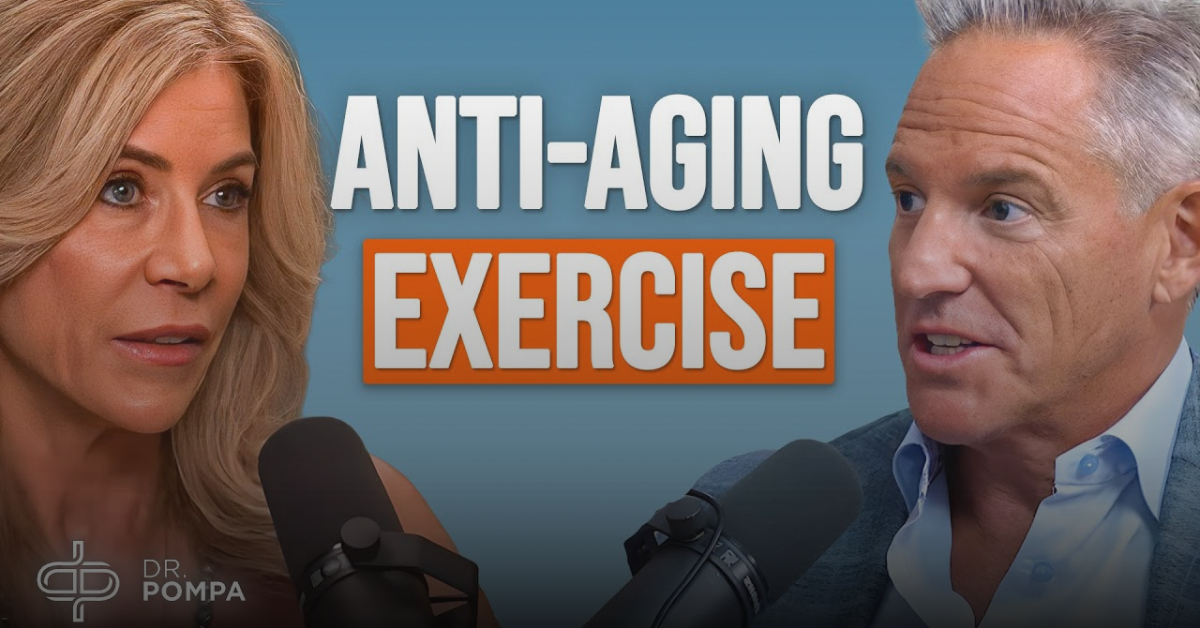
In this conversation, health expert and exercise physiologist JJ Virgin shares why building muscle is one of the most powerful things you can do for your metabolism, brain, and long-term health. She also opens up about one of the most difficult chapters of her life—her son's traumatic brain injury—and how resilience, mindset, and a commitment to health helped her family navigate the unimaginable.
The discussion goes far beyond exercise. It's a reminder that investing in your health today prepares you for whatever life brings tomorrow.
Muscle Is the Foundation of Healthy Aging
One of the biggest misconceptions JJ Virgin wants to eliminate is the fear that lifting weights will make women “too bulky.”
According to her, the opposite is true.
Without resistance training, people naturally lose muscle as they age. That loss affects nearly every aspect of health—from metabolism and blood sugar control to mobility, balance, and independence.
Rather than making you bigger, muscle helps create a leaner physique while supporting a healthier metabolism.
JJ describes muscle as three things:
- Your metabolic Spanx, helping support body composition and metabolism.
- A sugar sponge, giving glucose somewhere productive to go instead of being stored as excess body fat.
- A multitasking messenger, releasing beneficial compounds during exercise that support brain health, immune function, and recovery.
Simply put, muscle changes everything.
Why Strength Training Matters More Than Endless Cardio
While cardio certainly has benefits, JJ argues that if someone has limited time, strength training deserves the highest priority.
Years ago, fitness advice centered almost entirely on long cardio sessions. Today, research paints a different picture.
Resistance training helps:
- Preserve lean muscle mass
- Improve insulin sensitivity
- Support healthy blood sugar
- Strengthen bones
- Improve balance and mobility
- Support healthy brain aging
- Increase overall resilience
Cardio still has its place, but building strength creates benefits that extend far beyond burning calories.
Small Amounts of Exercise Can Produce Big Results
Many people avoid exercise because they believe they need an hour at the gym every day.
JJ challenges that belief.
Research discussed during the interview shows that even short bursts of vigorous activity throughout the day can dramatically improve long-term health.
Simple activities like:
- Air squats
- Walking stairs
- Fast-paced walking
- Short sprints
- Bodyweight exercises
performed for just a few minutes at a time can significantly reduce the risk of cardiovascular disease and improve overall longevity.
Her message is simple:
If you truly don't have ten minutes a day to move your body, the problem isn't exercise—it's how your life is currently structured.
The Four Pillars of an Effective Exercise Routine
Instead of chasing complicated workout programs, JJ recommends building a simple foundation.
1. Move More Throughout the Day
Daily movement matters more than many people realize.
Walking, standing more often, taking the stairs, and simply avoiding long periods of sitting all contribute to better metabolic health.
She recommends aiming for approximately 7,000 to 8,000 steps each day while focusing on consistent movement rather than one long workout.
2. Prioritize Strength Training
Resistance training should become a regular part of every week.
JJ emphasizes mastering fundamental movement patterns, including:
- Squats
- Deadlifts
- Push-ups
- Rows or pulling movements
- Overhead pressing
These exercises mirror everyday movements and help people stay strong enough for real life—not just the gym.
3. Add High-Intensity Interval Training (HIIT)
Short bursts of high-intensity exercise can improve cardiovascular fitness while encouraging better fat metabolism.
Rather than spending an hour in a so-called “fat-burning zone,” brief periods of intense effort create metabolic changes that continue long after the workout ends.
HIIT also supports mitochondrial health, brain function, and overall conditioning.
4. Don't Ignore Mobility
While JJ admits she personally prefers lifting weights over yoga, she also acknowledges that flexibility, mobility, and balance become increasingly important with age.
Adding yoga, stretching, or mobility work helps complement strength training and reduces the risk of injury.
Stop Letting the Scale Define Success
One of JJ's strongest messages is that body weight alone is an incomplete measure of health.
As people gain muscle and lose fat, the number on the scale may not change—or it may even increase.
That doesn't mean progress has stopped.
Instead of obsessing over weight, she recommends paying attention to body composition, waist measurements, strength gains, and how you feel.
The goal isn't simply weighing less.
The goal is becoming healthier.
Health Is About Preparing for the Unexpected
Perhaps the most emotional part of the conversation centers around JJ's son, Grant.
In 2012, Grant was struck by a hit-and-run driver while walking, leaving him with severe traumatic brain injuries, a torn aorta, multiple fractures, and extremely poor odds of survival.
Doctors believed he would likely die.
JJ refused to accept that prediction.
Instead of focusing on statistics, she focused on possibility.
She and her family pursued every evidence-based therapy available, sought guidance from experts, maintained hope, and remained committed to his recovery.
Over time, Grant exceeded expectations.
Although his recovery has been long and continues today, his story became one of resilience, persistence, and refusing to define someone by their prognosis.
For JJ, the experience reinforced an important lesson:
Health isn't just about living longer—it's about building the physical and mental resilience needed when life suddenly changes.
Mindset Shapes Recovery
Throughout the conversation, JJ repeatedly returns to one central belief:
Hold the vision, not the circumstance.
Rather than allowing fear to control her thinking during her son's recovery, she focused on what was still possible.
She credits much of that mindset to lessons she learned years earlier from a mentor who challenged her to question limiting beliefs.
That perspective helped her stay grounded during one of the hardest seasons of her life.
The experience also deepened her belief that doing difficult things—whether lifting heavier weights, learning new skills, or facing adversity—builds resilience that carries into every area of life.
Practical Health Habits Worth Prioritizing
The conversation also touches on several popular health trends.
JJ views many wellness tools as helpful when used appropriately rather than as miracle solutions.
Among the habits she values most are:
- Strength training
- Daily movement
- Sauna therapy
- Adequate protein intake
- Creatine supplementation, particularly for women
- Mobility training
- Sufficient sleep
- Consistency over perfection
She also cautions against chasing extreme approaches, noting that no single diet, supplement, or therapy replaces the fundamentals of healthy living.
Creatine Isn't Just for Athletes
One topic JJ is especially passionate about is creatine.
While it's commonly associated with bodybuilding, she explains that creatine supports much more than muscle growth.
Emerging research suggests it may also benefit:
- Brain function
- Energy production
- Recovery
- Bone health
- Healthy aging
Because many women don't consume enough dietary creatine, she believes it deserves more attention as part of a well-rounded health strategy.
Focus on Progress, Not Perfection
Toward the end of the discussion, JJ reflects on something she believes the health industry sometimes forgets.
Different approaches can help different people.
Rather than arguing over which diet or exercise style is “best,” she encourages people to focus on what is sustainable, evidence-informed, and effective for their own lives.
Health isn't about finding one perfect solution.
It's about consistently practicing habits that make your body stronger, more resilient, and better prepared for the future.
Final Thoughts
The biggest takeaway from this conversation is refreshingly simple: build muscle, keep moving, and take care of your body before you're forced to.
Strength training isn't just about looking fit. It's about protecting your metabolism, supporting your brain, preserving independence, and creating the resilience needed to navigate life's unexpected challenges.
As JJ Virgin's personal story reminds us, we never know when our health will be tested. But the habits we build today can determine how well we're able to meet those moments tomorrow.
Start where you are, stay consistent, and remember that becoming stronger isn't only about lifting heavier weights—it's about building a healthier, more capable life.